Keeping Gyms and Sports Clubs Clean: A Practical Guide for Leicester Facilities
Gyms and sports clubs are places where people go to improve their health, train, compete and socialise. But they are also environments where large numbers of people share equipment, changing facilities, washrooms and communal spaces every day.
That creates a particular cleaning challenge.
A small office might have the same employees using the building each day. A busy gym or sports facility can have a constant flow of members arriving from early morning until late evening, with peak periods putting additional pressure on changing rooms, floors and equipment.
For gym owners, leisure centre operators and sports clubs in Leicester, an effective cleaning programme therefore needs to do more than make the premises look presentable.
Here are some of the areas that deserve particular attention.
1. Focus on Frequently Touched Equipment
Gym equipment is designed to be handled.
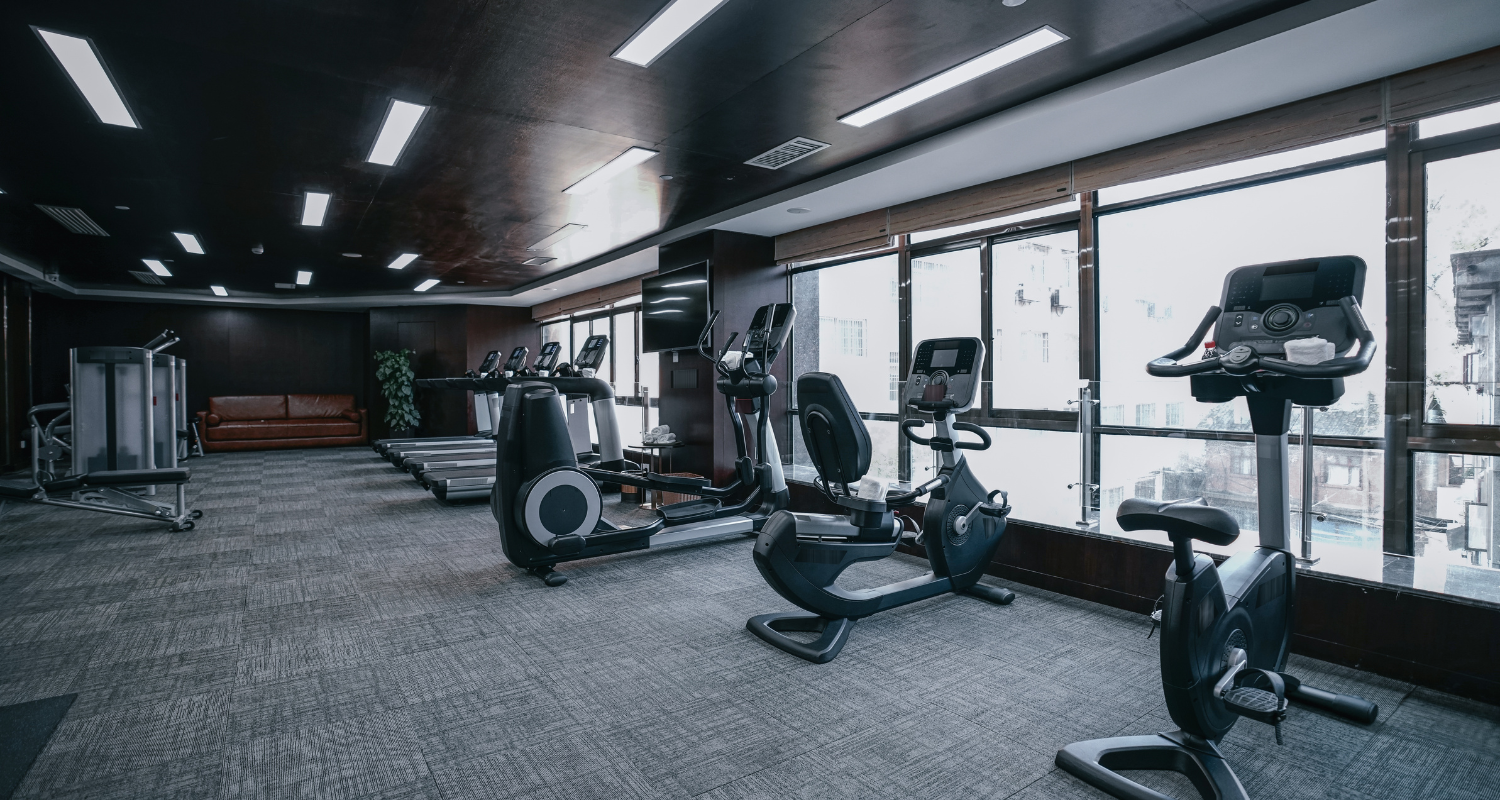
Treadmill controls, exercise bikes, rowing machines, dumbbells, weight benches, resistance machines and mats may all be used by numerous people during a single day.
Even when members are encouraged to wipe equipment after use, this shouldn’t necessarily replace a structured cleaning programme.
Facilities should identify their most frequently used equipment and establish how and when it will be cleaned. The approach may need to change throughout the day depending on how busy the facility becomes.
It’s also worth making cleaning stations convenient for members. If wipes or other appropriate cleaning products are difficult to find, people are less likely to use them.
2. Give Changing Rooms Extra Attention
Changing rooms are among the most demanding areas of many sports facilities.
They’re exposed to wet footwear, damp clothing and constant foot traffic, while showers, lockers, benches and washroom facilities can all require regular attention.
The first step is to establish how frequently the changing rooms are actually being used.
A cleaning schedule suitable for a small sports club that hosts activities several evenings per week may not be sufficient for a gym operating from early morning until late at night.
Busy facilities may require checks throughout opening hours in addition to more comprehensive cleaning when members are no longer present.
Particular attention should be paid to floors, showers, toilets, basins, benches, lockers and frequently touched surfaces such as door handles.
3. Don’t Ignore the Floors
Floors have both an appearance and a safety role within sports and leisure environments.
Entrance areas can become dirty particularly quickly during wet Leicester weather, while changing rooms and areas around showers may naturally be more susceptible to moisture.
The Health and Safety Executive advises businesses that floors should be suitable, in good condition and free from obstructions, and highlights contamination such as water as a common cause of slips.
That makes cleaning only part of the solution.
Facilities should also have procedures for identifying and dealing with spillages or wet areas quickly. Entrance matting may help control moisture being walked into the building, while appropriate signage can be needed when cleaning is taking place.
Periodic maintenance should also be considered for carpets and hard flooring rather than relying solely on everyday cleaning.
4. Create a Cleaning Schedule Around Peak Times
One of the difficulties with cleaning a gym is that there isn’t always a convenient time to do it.
Some facilities open very early and close late, while others operate seven days a week.
Cleaning therefore needs to fit around the way the facility actually operates.
Major tasks can often be scheduled outside peak periods, while more responsive jobs such as dealing with spills, emptying bins and checking washrooms can take place throughout the day.
For larger or particularly busy facilities, outsourcing some or all of this work can reduce the burden on internal staff. Professional commercial cleaning services in Leicester can be tailored around leisure environments including gyms and other high-footfall venues, with cleaning schedules designed around individual operational requirements.
The important thing is to avoid a one-size-fits-all approach. A city-centre gym, community sports club and large leisure centre won’t necessarily require the same cleaning frequency.
5. Remember the Areas Members See First
It can be tempting to focus entirely on gym equipment and changing rooms, but a member’s impression of cleanliness begins before they start exercising.
Look at your facility from the perspective of somebody arriving for the first time.
Is the entrance clean? Is the reception desk presentable? Are glass doors covered in fingerprints? Are bins overflowing? Do corridors and communal spaces look properly maintained?
These details contribute to the overall impression of the organisation.
That’s particularly important for gyms operating in a competitive market. Members are paying to use the facility, and the standard of the environment forms part of the service they’re receiving.
A consistently clean facility can reinforce the impression that the wider business is being professionally managed.
6. Don’t Forget Staff and Back-of-House Areas
Not every important cleaning task happens where members can see it.
Staff rooms, offices, storage spaces and kitchens also require attention.
These areas can sometimes be overlooked because the immediate priority is maintaining customer-facing spaces. However, employees may spend entire shifts in the building and should also have access to properly maintained facilities.
Cleaning specifications should therefore cover the entire site rather than concentrating exclusively on the gym floor.
7. Consider the Needs of Different Sports Facilities
Leicester has a varied sporting and leisure landscape. Leicester City Council says Active Leicester operates seven leisure centres across the city, while Leicester also has more than 30 outdoor gyms and numerous parks with sports facilities.
The council provides more information about getting active and sports facilities in Leicester.
Different facilities naturally create different cleaning requirements.
A football or rugby club may have muddy changing areas to manage. A fitness centre may have large amounts of shared exercise equipment. A swimming facility has additional considerations around wet areas and poolside facilities.
Active Leicester’s own guidance, for example, asks swimmers to shower before and after swimming to help maintain pool hygiene.
Rather than copying a generic commercial cleaning checklist, managers should assess how their individual building is used and identify its highest-risk and highest-traffic areas.
8. Review Cleaning Standards Regularly
Creating a cleaning schedule isn’t the end of the process.
Usage changes.
A sports club might introduce additional teams, a gym could experience increased membership or a leisure facility may become considerably busier at particular times of the year.
Cleaning arrangements should be reviewed accordingly.
Managers can carry out regular inspections and keep a record of recurring issues. If the same changing room repeatedly falls below standard or bins regularly overflow at a particular time, that information can be used to adjust the schedule.
When using a cleaning contractor, there should also be a clear process for reporting problems and reviewing performance.
A Cleaner Facility Creates a Better Member Experience
People visit gyms and sports clubs to exercise, compete and enjoy themselves. They shouldn’t have to think about whether the changing rooms have been cleaned or when the bins were last emptied.
That’s precisely why these details matter.
A well-managed cleaning programme works quietly in the background, maintaining equipment, changing areas, washrooms, entrances and communal spaces throughout the week.
For gyms and sports clubs in Leicester, the best approach is one built around actual usage rather than a generic checklist.
Assess the busiest areas, establish appropriate cleaning frequencies and make sure standards are regularly reviewed. The result is a cleaner, more welcoming environment where members and staff can concentrate on what the facility is really there for: enjoying sport and staying active.